NプロジェクトとSTEAM教育 / The N Project and STEAM Education
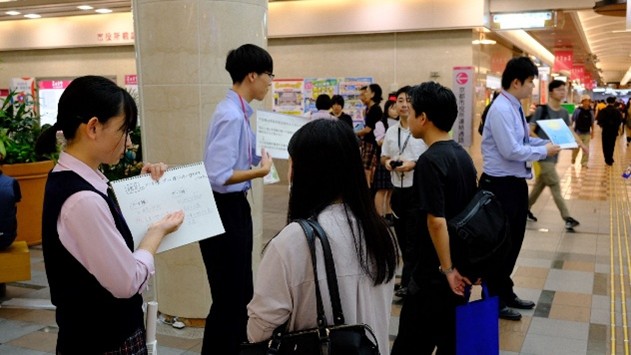
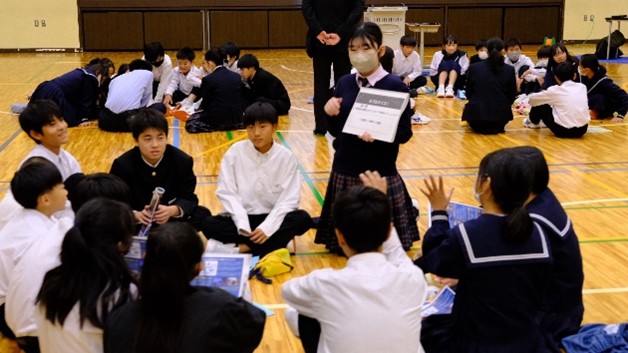
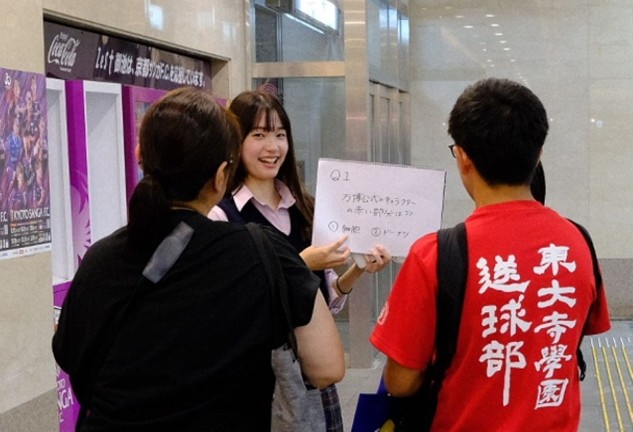
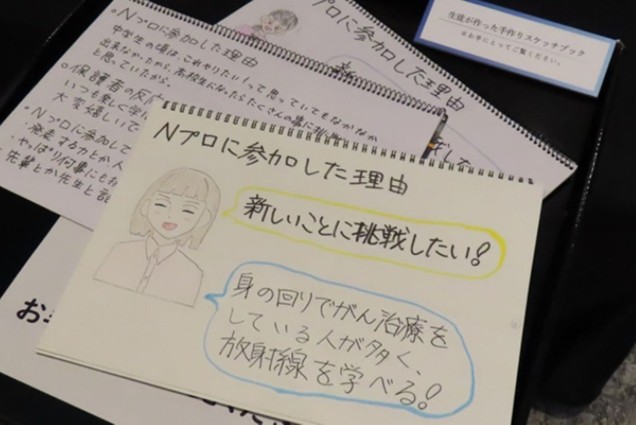
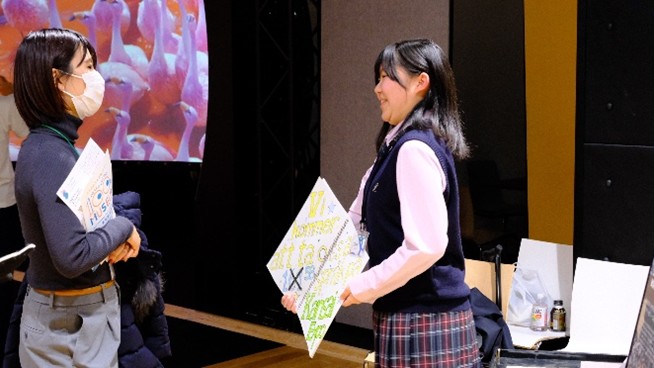
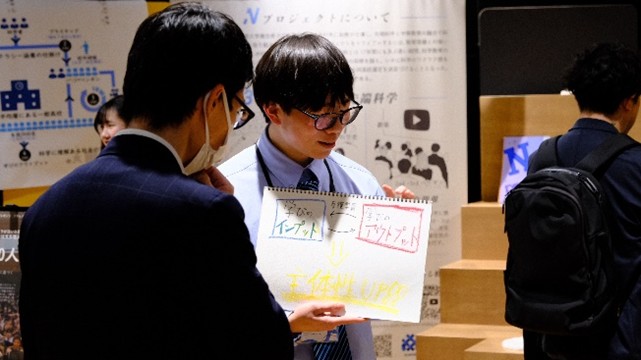
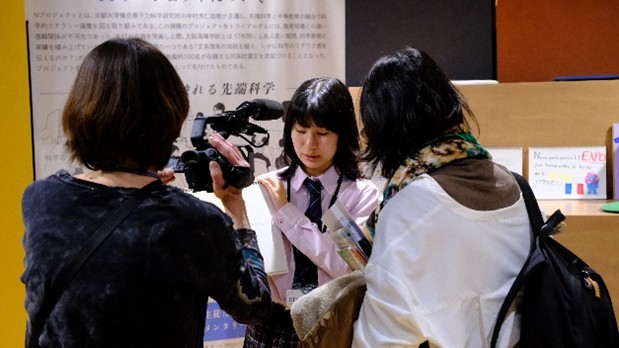
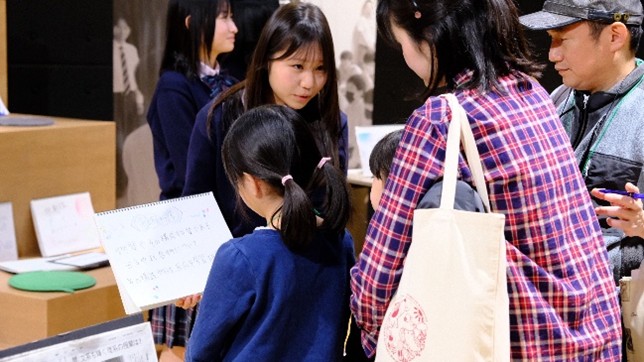
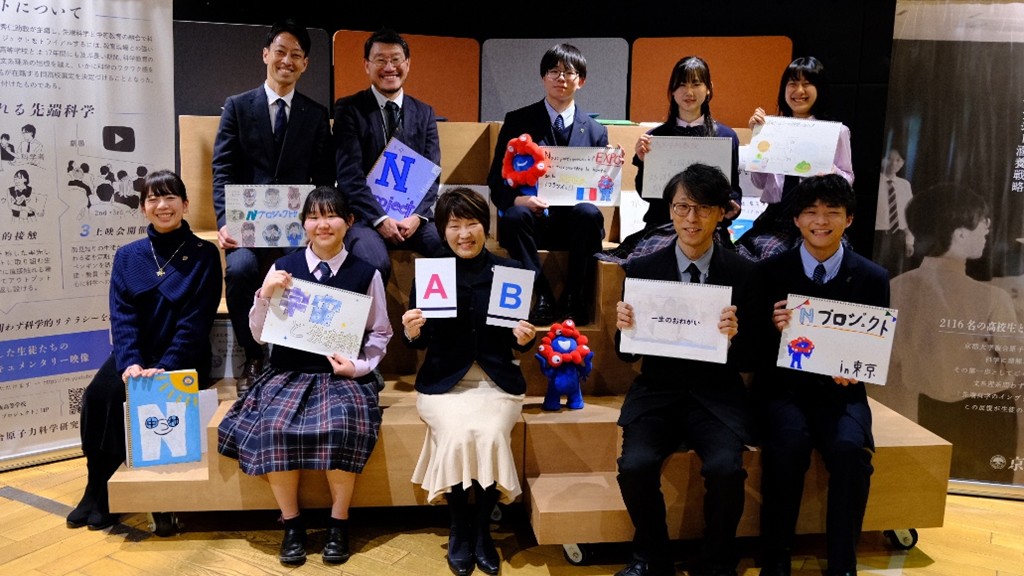
本プロジェクトでは、文系生が理系生と同じスタートラインに立てるよう、社会的に敏感でありながら内容が曖昧で理解が難しい「放射線」を題材に選定し、新たな対話型学習モデルを構築した。生徒たちは、フリップを活用した体感型授業で得た知識を咀嚼し、その内容をスケッチブックにまとめ、街頭で通行人に語りかけるアウトプットを実践している。この反復プロセスは、生徒自身の主体的な学びを促進し、「小さくとも社会を動かした実感」をもたらすとともに、科学的知識の共有を深める役割を果たしている。アウトプットの舞台は、市民の憩いの場や商業施設から科学館、公立の小・中学校、国際学会、さらには京都大学の記者会見場に至るまで多岐にわたる。生徒たちは同じテーマを扱いながらも、個性を映したスケッチブックを活用し、会話が色褪せないよう工夫している。この手法は、海外からもSTEAM 教育における革新的なアプローチとして高く評価されている。聴く者は高校生の語る内容や熱意に心を打たれ、語る者は称賛を受けることで自己肯定感を劇的に向上させている。結果として、語る側と聴く側の双方に科学的リテラシーが涵養され、互いの学びを共有し合う場が創出された。
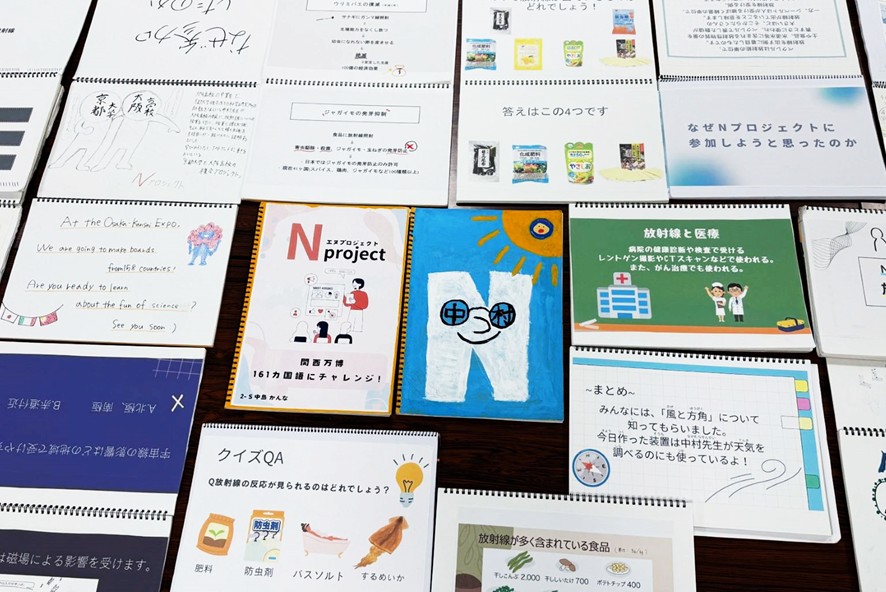
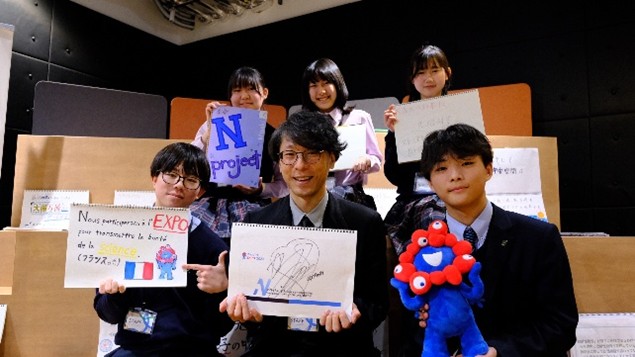
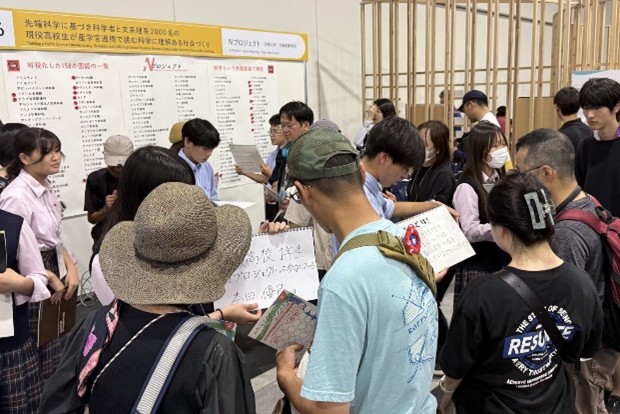
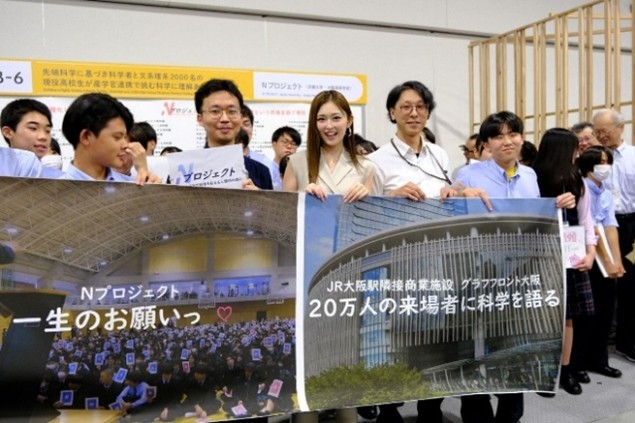
そして準備された数百種類以上に及ぶ手作りのスケッチブックは圧巻の一言である。人の心に訴えかけられるツールとなったスケッチブックにSTEAM教育の「アート」としての価値を見た在大阪・神戸米国総領事館からは日米共同活動の実施が打診され、それを受けてグランフロント大阪で20万人の来場者にアメリカンフードを味わいながら科学のワクワク感を伝える大規模科学イベントを企画し、同総領事館と共同開催の準備を進めている。 また今夏出版予定のIAEAのテクニカルドキュメント“Introducing Nuclear Science and Technology to the Young Generation“ではNプロジェクト活動が我が国の成功事例として掲載されることとなり、今まさに国境を越えた異次元のSTEAM教育が始動しようとしている。
In this project, the theme of “radiation”—a subject that is socially sensitive yet often vague and difficult to understand—was deliberately chosen to allow humanities-oriented students to stand on the same starting line as their science-oriented peers. A new dialogic learning model was thus constructed. Students digest the knowledge they gain from hands-on classes using flip charts, summarize the content in sketchbooks, and practice output by directly engaging with passersby on the streets. This iterative process promotes students’ autonomous learning, provides them with a tangible sense of “having influenced society, even in a small way,” and deepens the sharing of scientific knowledge.
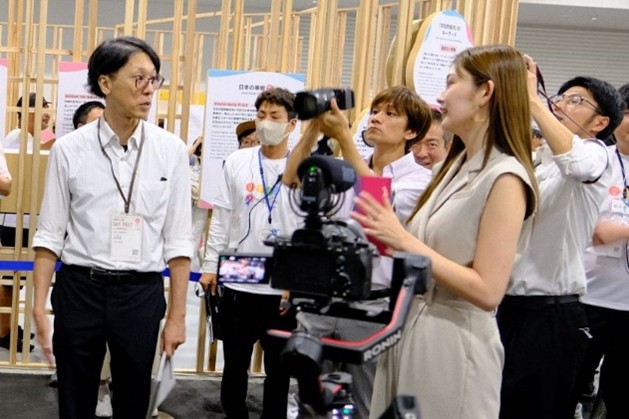
The venues for such output are diverse, ranging from public squares and commercial facilities to science museums, public elementary and junior high schools, international conferences, and even the press room at Kyoto University. While dealing with the same theme, students use sketchbooks that reflect their individuality, ensuring that conversations remain engaging and fresh. This method has been highly acclaimed internationally as an innovative approach to STEAM education. Listeners are often moved by the students’ words and passion, while the students themselves gain significant self-confidence through the praise they receive. As a result, both speakers and listeners cultivate scientific literacy, creating a shared space for mutual learning.
The hundreds of handmade sketchbooks prepared for this initiative are nothing short of overwhelming. Recognizing their value as a form of “Art” within STEAM education—tools capable of touching people’s hearts—the Consulate General of the United States in Osaka-Kobe proposed a Japan-U.S. joint activity. In response, preparations are underway to co-host a large-scale science event at Grand Front Osaka, where 200,000 visitors will enjoy American food while experiencing the excitement of science.
Furthermore, this summer, the activities of the N Project will be introduced as a Japanese success story in the upcoming IAEA technical document “Introducing Nuclear Science and Technology to the Young Generation.” Thus, a new dimension of STEAM education that transcends national borders is now set in motion.